Terms of Reference for the aWISH Expert Panels

1. Introduction

You have been invited to join the aWISH Expert Panel. This document contains the Terms of Reference and will help you understand what your participation in the Expert Panel will involve before you decide to join. Please take some time to read the document carefully. If you have any questions, feel free to contact us at awish@ilvo.vlaanderen.be .

1.1 aWISH in a nutshell

In recent years, animal welfare in intensive livestock farming has come under heavy pressure, with images of mistreated and abused animals still fresh in the minds of many. Often, the livestock farmer or the slaughterhouse may be the primary target of concerns about animal treatment, but the responsibility of ensuring animal welfare extends to all actors involved in the process, from hatching/birth to slaughter. The welfare of farm animals is regulated by EU legislation both on the farm and during transport and slaughter. In addition to these regulations, which contain mainly resource-based measures, animal welfare can also be measured by animal-based indicators that assess the outcome of resources and management on the animals themselves, regardless of the conditions in which they are kept. Animal-based measures are now recognised as a better and more direct alternative to assessing animal welfare. This has led to the development of novel, outcome-based protocols for assessing animal welfare. However, a tool is needed to monitor animal welfare in an objective and practical way. Animal welfare protocols fulfil this task to some extent, but they are very labour-intensive and do not assess every stage of the production chain. As a result, it is very difficult to identify animal welfare problems and implement sanction/bonification systems. There is also no direct feedback system that has proven effective in improving animal welfare. To this end, the main goal of aWISH is to develop and provide the capability to assess and improve the welfare of animals used for meat production across Europe in a cost-effective and objective manner. This will be done through the automated monitoring of animal welfare indicators at the slaughterhouse to provide feedback and best practice recommendations to those responsible for the different stages of production such as farmers, catching teams, transporters and slaughterhouses. This approach will be developed and evaluated in close cooperation with all stakeholders involved, from primary producers to policy makers and citizens.

2. Role and Benefits
2.1 Role

The aWISH Expert Panel will engage a wide range of stakeholders to facilitate knowledge sharing between stakeholders from the entire farm to fork value chain and the animal welfare community. The role of the Expert Panel is to retrieve and share feedback on technology, processes, farming practices, industry, sector regulation and markets, or society and perceptions. For this reason, the main categories of the aWISH expert panels are: 1) Livestock sector, 2) Government & NGOs, 3) Research and 4) Industry & Retail. Expert Panel members may also inform on the latest advances and trends, and share their knowledge and views on animal welfare. In addition, Expert Panel members will be called to evaluate aWISH outcomes, e.g., to evaluate the AW catalogue, weigh indicators and aggregate index (WP2) and give advice on risk factors and best practices (WP4), and together with the project’s Stakeholder Advisory Board will act as a validating body of aWISH findings. Expert Panel members will be invited to participate in workshops organised during the lifetime of the project. In this way, their participation could help to initiate an interdisciplinary dialogue, promote interaction with target groups and associations, and strengthen trust between different stakeholders. Finally, Expert Panel members could be subscribed to the aWISH newsletter and receive project updates.

2.2 Benefits

Some of the benefits of participating in the Expert Panel would be to:

  • Connect with other individuals and organisations interested in animal welfare.
  • Participate in workshops organised by the aWISH project.
  • Receive project updates.
  • Share your knowledge and views on aspects of animal welfare.
  • Receive the project’s newsletter containing interesting news about aWISH and
    more.
3. Terms of Membership
3.1 Membership

The aWISH Expert Panels will be composed of representatives of actors from the entire farm to fork value chain across the EU. The first members of the Expert Panels are the project partners and pilot stakeholders. Although individual members of the Expert Panels may be selected on the basis of their affiliation with key organisations, they will serve the Expert Panels in their individual capacity to represent the interests and views of their stakeholders communities. Similarly, Expert Panel members may not assign or be replaced by any other person to perform the role expected of them without prior written consent.

Expert Panel members are appointed for the duration of the project (48 months, from 1 November 2022 to 31 October 2026). Although active engagement is expected, participation in the activities of the Expert Panels is entirely voluntary. There will be no adverse consequences if an Expert Panel member decides not to participate or to withdraw at any stage. Rather, Expert Panel members may withdraw their participation at any time by informing the aWISH Expert Panel Manager (White Research). They may also request that their data be withdrawn without giving a reason and without prejudice. Anonymous data already collected will be used as we cannot trace the information back to a specific individual. However, no further data or input will be collected, nor will any other procedure be carried out in relation to the particular member. Stakeholders who agree to join the Expert Panel will be asked to sign the aWISH Declaration of Acceptance (DoA), by which they agree to:

  • adhere to the aWISH Expert Panel Terms of Reference (as set out herein);
  • participate in the Expert Panel in their individual capacity and not engage any other person to carry out the expected work without prior written agreement;
  • agree not to disclose any information given in connection with the work of the Expert Panel and to respect confidentiality requirements;
  • agree that any contribution they make as members of the Expert Panel may be
    used by aWISH for reporting and/or aligning project activities and outcomes.
4. Management

The Expert Panel is managed by the aWISH Expert Panel Manager (White Research).
The Expert Panel Manager facilitates interactions between the Consortium and the Expert Panel to ensure that members are not overloaded.

5. Contact Point

If you have any further information, complaints or concerns about your experience as a member of the Expert Panel, please contact the aWISH Expert Panel Manager (White Research), who oversees the setting up and the management of the Expert Panels, using the contact details below:

aWISH Expert Panel Manager: White Research SRL
Contact Person: Anastasios Kyriakidis
Phone: +32 2 520 00 09
E-mail: akyriakidis@white-research.eu
Project website: www.awish-project.eu


Funded by the European Union.
Views and opinions expressed are however those of the author(s) only and do not necessarily reflect those of the European Union or European Commission.
Neither the European Union nor the European Commission can be held responsible for them.

Copyright © 2023 BioSense Institute. All rights reserved.

Dr Helen Lambert

Affiliation
Eurogroup for Animals/ Animal Welfare Consultancy
Biography
Helen Lambert is a freelance animal welfare scientist and founder of Animal Welfare Consultancy. She works with charities, governments, and corporations worldwide to improve animal welfare through evidence-based research, policy advice, and practical recommendations. Her work spans a wide range of animal welfare issues, including wildlife trade, farmed animal welfare, sentience science, welfare assessment, and animal welfare legislation. Helen has over 23 years of experience and training in the field of animal welfare and sentience science. She holds a PhD in Animal Sentience, an MSc in Research Methods, and a BSc (Hons) in Animal Behaviour, and has authored a wide range of scientific publications, reports, and policy-focused outputs.
Contact
lambert.helen@outlook.com

Dr Christina Pfeiffer

Affiliation
University of Veterinary Medicine (Vetmeduni) Vienna, Austria
Biography
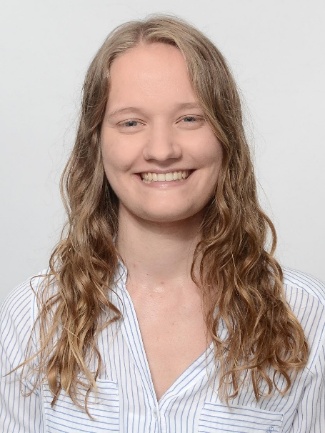
Dr. Christina Pfeiffer is a livestock scientist specializing in pig husbandry, production and welfare. After studying livestock science with a focus on welfare and behaviour, she earned a PhD in quantitative genetics and animal breeding. Her early career centred on health, welfare, and behavioural traits in dairy cows and pigs, including developing and implementing a piglet vitality index for maternal breeding programs. After several years in the pig industry, she returned to academia to advance precision livestock technologies to assess animal-based indicators in pigs.
Contact
Christina.Pfeiffer@vetmeduni.ac.at

Dr Johannes Baumgartner

Affiliation
University of Veterinary Medicine (Vetmeduni) Vienna, Austria
Biography
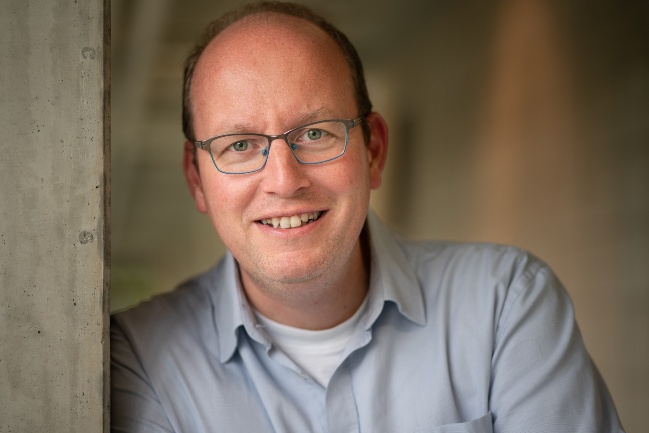
Johannes Baumgartner is working at the University of Veterinary Medicine (Vetmeduni) Vienna, Austria, where he focuses on pig behaviour and management, including organic farming. He has been in actively involved in the development of free farrowing systems of sows and in precision livestock farming developments in the pig industry. Examples of his work include the automatic counting of piglets at birth and tracking of sows through eartag sensors.
Contact
Johannes.Baumgartner@vetmeduni.ac.at

Àngela Ramon Pérez

Affiliation
Autonomous University of Barcelona (UAB)
Biography
She holds degrees in Animal Science and Veterinary Medicine and is currently pursuing her PhD at the UAB. Her research focuses on the development and validation of technologies for monitoring pig welfare. She has experience in slaughterhouse-based welfare assessment, automated image analysis, and sensor technologies. Her work aims to transform animal-based data into practical tools for welfare assessment and farm-level decision-making.
Contact
angela.ramon@uab.cat

Dr. Pol Llonch

Affiliation
UAB, Spain
Biography
I am a veterinary scientist with expertise in farm animal behaviour, welfare assessment, stress physiology and precision livestock farming. My research combines behavioural analysis, physiological biomarkers and sensor technologies to develop innovative approaches for monitoring and improving animal welfare in livestock systems. I have extensive experience working with several farm species, particularly pigs and cattle, and have led and contributed to numerous European research projects in the field. I currently lead a research team at the Universitat Autònoma de Barcelona focused on advancing animal welfare science and its practical application on farms.
Contact
pol.llonch@uab.cat

Maite Jachens

Affiliation
Institute for Animal Hygiene, Animal Welfare and Farm Animal Behaviour, University of Veterinary Medicine Hannover, Foundation
Biography
Maite Jachens studied Veterinary Medicine at the University of Veterinary Medicine Hannover, Foundation (TiHo) in Germany. She currently works as a research assistant and doctoral student at the Institute for Animal Hygiene, Animal Welfare and Farm Animal Behaviour at TiHo. Her research focuses on identifying and evaluating Best Practices to improve the welfare of fattening pigs and broiler chickens on farm, during transport and at the slaughterhouse. She is particularly interested in how scientific experts and farmers evaluate these practices, bringing together scientific evidence and practical experience to support feasible animal welfare improvements.
Contact
maite.marie.jachens@tiho-hannover.de

Prof. T. Bas Rodenburg

Affiliation
Utrecht University, Utrecht, The Netherlands
Biography
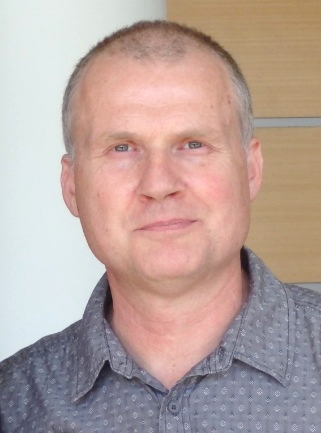
Prof. T. Bas Rodenburg is Professor in Animal Welfare at the Faculty of Veterinary Medicine of Utrecht University in The Netherlands. The research of Bas Rodenburg aims at improving the methodology for assessment of animal welfare. Currently, he is project leader of the EUPAHW project, Eyes & Ears focusing of automatic monitoring of animal welfare on commercial farms. He is also work package leader in the EU project aWISH, focusing on monitoring animal welfare at the slaughterhouse. Rodenburg is a member of the Dutch Council on Animal Affairs (RDA) and has been one of the architects of the concept of Humane Livestock Farming in The Netherlands. He is also Joint Editor in Chief of the scientific journal ‘Animal Welfare’.
Contact
t.b.rodenburg@uu.nl

Prof. Thomas Banhazi

Affiliation
Wroclaw University of Environmental and Life Sciences, Wroclaw, Poland and InnoTech Vision ApS., Tjele, Denmark
Biography
Thomas Banhazi completed his PhD studies at the University of Adelaide, Australia and worked at the University of Southern Queensland and at the Taiwan National University. As part of his academic activities, Thomas was involved in the delivery of 8 under- and 4 post-graduate courses and published in excess of 250 journal articles, book chapters and conference proceedings. He has successfully obtained 8 patents on a number of innovative technologies in the US, Australia and Europe and he is currently actively engaged in the commercialisation of his patented inventions via his three private companies established in Europe and Australia. Thomas has been involved in approximately 40 research projects both in Europe and Australia and his expertise is mainly related to PLF applications and housing & environmental assessment methods.
Contact
thomas.banhazi@plfag.com

Dr. Petra Thobe

Affiliation
Johann Heinrich von Thünen-Institute, Institute of Farm Economics, Braunschweig, Germany
Biography
Petra Thobe, Agricultural Economist, studied Agricultural Sciences with a specialization in Agricultural Economics in Bonn, Toulouse, and Tartu, and completed her PhD at the University of Göttingen. She has been leading the Poultry Production Economics working group at the Thünen Institute of Farm Economics since 2017 (research associate) and she coordinates the agri benchmark International Poultry Network, (Thünen Institute – Germany).
Contact
p.thobe@thuenen.de

Prof. Björn Forkman

Affiliation
University of Copenhagen, Denmark
Biography
Björn Forkman was trained as a biologist at Lund University, and took his PhD at Stockholm University in the area of Ethology. His interest has mainly been in the mechanisms of behaviour, especially in the areas of learning/cognition and motivation, and how these interact. During later years his research has focused more and more on animal welfare, both assessment and melioration. Since his PhD he has mainly worked in the field of applied ethology, both in Sweden at the Agricultural University, at the Roslin Institute, Edinburgh in Scotland and now at the faculty of Health Sciences - University of Copenhagen (the faculty is the former Royal Veterinary and Agricultural University of Denmark).
Contact
bjf@sund.ku.dk

Dr Noémie Van Noten

Affiliation
ILVO (Flanders Research Institute for Agriculture, Fisheries and Food)
Biography
Noémie Van Noten has a Master and a PhD in Bioscience Engineering – Agriculture. After 2 years of building experience as an R&D manager in a feed additive company, she joined the ILVO Animal Science unit in 2022, where she is working as a researcher on projects focusing on animal welfare and animal nutrition.  
Contact
noemie.vannoten@ilvo.vlaanderen.be

Prof. Frank Tuyttens

Affiliation
ILVO, Merelbeke-Melle, Belgium
Biography
Frank Tuyttens is coordinator of Farm Animal Welfare & Behaviour research at the ILVO, parttime visiting professor at the Faculty of Veterinary Medicine of Gent University, and member of the EFSA Animal Health and Animal Welfare panel. He has supervised 20 PhD students and authored >200 peer-reviewed papers on farm animal welfare and ethology. He is scientific coordinator of the aWISH project.
Contact
frank.tuyttens@ilvo.vlaanderen.be

1. aWISH Introduction

We would like to invite you to participate in the aWISH Expert Panel, as we believe that your experience and knowledge will contribute greatly to a key consultation body of the project. aWISH is a 4-year project funded by the European Union under the Horizon Europe Research and Innovation programme. Before you decide to participate in the aWISH Expert Panel, please take the time to read this document carefully to understand what your involvement will be in our project’s activity. If there is anything you do not understand, please feel free to ask questions.

1.1 What is the aWISH project about?

In the EU, a challenge that still remains is to reconcile the social and moral demand for a high level of animal welfare with other pillars of sustainable livestock production. Indeed, 82% of Europeans believe that farm animals should be better protected than they currently are. A broad definition of animal welfare refers to the feelings and physical well-being of an individual animal. Broilers and pigs are the farm animals EU citizens care most about, and they are also the most important meat-producing animals in the EU and worldwide. Both pigs and broilers have significant welfare problems at all stages of production (on-farm, loading and transport, unloading and slaughter), leading a growing number of citizens to question the social license to produce. Ambitious and effective, but also practical and efficient solutions are needed. This is where the aWISH project comes in to fill this gap! The aim of aWISH is to develop and provide a cost-effective solution for assessing and improving the welfare of meat-producing livestock in Europe. The aWISH solution is based on the automatic monitoring of animal-related indicators at slaughter. The necessary technologies will also be developed to collect complementary data on farm or during transport. Pilot and development activities will be carried out in 6 broiler and fattening pig production chains across Europe using a lean multi-actor approach to test and validate the project results. A catalogue of animal welfare indicators will disseminate all validated indicators and standardised data collection methods. Best practice guides will be developed to improve key aspects of animal welfare in pigs and broilers and to help external stakeholders use aWISH technologies and tools. In this context, the aWISH project will set up expert panels that will be composed of representatives of actors from the entire farm to fork value chain across the EU. The expert panels will have the function to retrieve and share feedback on technology, processes, farming practices, industry, sector regulation and markets, as well as society and perceptions. In this way, stakeholder participation in expert panels could help initiate interdisciplinary dialogue, promote interaction with target groups and associations, and strengthen trust between different actors.

2. Useful Information

2.1 Is my participation voluntary and what does it involve?

Your participation in the aWISH project is entirely voluntary. If you decide to participate in an aWISH activity, we will ask you to sign an Informed Consent Form to collect and process your data. The project will last 48 months, but you will only participate for as long as you wish.

2.2 Purpose of personal data collection

As mentioned above, the expert panel will have the function to retrieve and share feedback on technology, processes, farming practices, industry, sector regulation and markets, as well as society and perceptions. In order to do this effectively, we need to process some of your personal data:
  • Your contact information
  • Demographic information (age, gender, country of origin)
  • Professional information (where do you work, what position do you hold, what is your area of expertise)
  • Personal opinions on the subject

2.3 What we will do with your data

The information you provide is confidential. Your consent form will be kept separate from the observations collected during the course of the project activity. We will share your data with other aWISH project partners involved in the data analysis and reporting process. Once the data is analysed, a report of the findings may be submitted for publication. The project's deliverables that will be derived by this activity will not include your personal data or any other information that could identify you. The results of this project activity may also be shared with representatives of the European Union (e.g. the Project Officer evaluating the project's or the reviewing EU agencies). Only broad trends will be reported and it will not be possible to identify any individuals.

3. Access, deletion of information or withdrawal of consent

Under the EU’s General Data Protection Regulation (GDPR), you have the right to request to: (i) provide you with a copy of your data; (ii) correct your data if you believe they are inaccurate; (iii) erase your data; (iv) restrict or stop processing your data; or (v) provide your data in an appropriate format and transfer them to another organisation. In addition, you may withdraw your consent and therefore your participation at any time without consequence. Anonymous data already collected will be used as we cannot trace the information back to you. No further data will be collected or other procedures carried out in relation to your information. If you wish to have the personal data we hold checked, amended, corrected or deleted, or if you wish to withdraw your consent, you can contact the responsible partner listed below.

4. Contact Information

Partner name: WHITE RESEARCH SRL
e-mail: akyriakidis@white-research.eu

5. Informed Consent Form

I confirm that I understand that by ticking each box below I am consenting to this element of the study. I understand that it will be assumed that unticked boxes mean that I DO NOT consent to that part of the study. I also understand that by not giving consent for any of the elements, I may be deemed ineligible for participating in this project’s activity.
 

6. Declaration of Acceptance

I, the undersigned
acknowledge that I have read and agree to be bound by the aWISH Expert Panel Terms of Reference. I agree to participate in the aWISH Expert Panel in my individual capacity and, as such, may not assign or be substituted for any other person to perform the work without prior written agreement with the aWISH Expert Panel Consortium. I agree not to disclose any information given in the course of the Expert Panel’s work unless the aWISH Consortium agrees to releases me from this obligation, and to respects the confidentiality requirements. I declare that I fully and unconditionally accept my appointment as an aWISH Expert Panel member as described in the Terms of Reference. I agree that any contribution I make as an aWISH Expert Panel member may be used by the aWISH consortium for reporting purposes or to align project activities to the needs of relevant stakeholders. I consent to the processing of my personal data necessary for my participation in the aWISH Expert Panel.

Welcome to the awISH Project website

Before we dig in we would like to know a little more about you. Group that describes you the best is: