



Context of the Problem
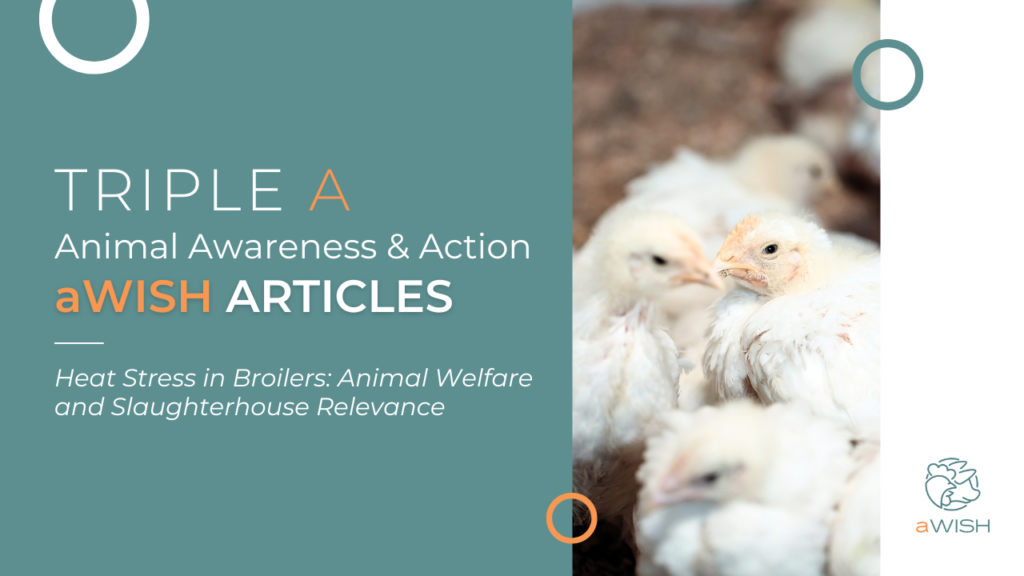
Broilers are highly vulnerable to thermal stress due to their high metabolic rate, rapid growth and limited ability to dissipate heat. Heat stress arises when temperature and humidity exceed the birds’ tolerance. Transport and lairage pose a particular hazard when ventilation is restricted and containers are densely packed. Risk factors for heat stress include high ambient temperatures, overcrowding, poor container design and delays during handling or unloading. The welfare consequences are severe, ranging from discomfort and lethargy to dehydration, exhaustion and high mortality rates. Dead on Arrival (DOA) broilers represent the most critical welfare failure linked to heat stress. Economically, heat stress reduces meat quality, increases trimming and rejection rates, and leads to significant financial losses through mortality and reduced processing efficiency.
Monitoring and aWISH Project
Slaughterhouses provide the most reliable opportunity to monitor heat stress, as signs such as panting, wing spreading and elevated DOA rates are directly visible upon arrival and during lairage. Recording these indicators systematically allows slaughterhouses to evaluate the effectiveness of transport and handling practices under different environmental conditions. Within the aWISH project, digital technologies such as environmental sensors and CFD simulations are being developed to monitor temperatures and identify potential risk areas during transport. These tools provide consistent, objective data and can improve welfare during transport.
Best Practices
Preventing heat stress requires proactive planning and continuous adaptation to environmental conditions. Transport should be scheduled during cooler times of the day, stocking densities adjusted to allow adequate airflow, and vehicles equipped with proper ventilation systems. In lairage, cooling systems such as fans should be used to maintain safe temperature ranges. Staff must be trained to recognize early signs of heat stress and intervene quickly to minimize suffering. When slaughterhouse monitoring indicates heat stress-related problems, farms and transporters should review logistics, container design and handling routines. Implementing these preventive and corrective measures reduces mortality, safeguards welfare, and ensures better product quality.